


Static electricity is a common yet often overlooked issue in the operation of floor sweeper machines. As a supplier of high - quality floor sweeper machines, I have witnessed firsthand how static electricity can impact the performance and longevity of these devices. In this blog, I will delve into how our floor sweeper machines deal with static electricity, exploring the challenges it poses and the innovative solutions we've implemented.
The Challenges of Static Electricity in Floor Sweeper Machines
Static electricity occurs when there is an imbalance of electric charges on the surface of a material. In the context of floor sweeper machines, this imbalance can arise from various sources. Friction between the brushes, wheels, and the floor surface is a primary cause. As the machine moves across the floor, the rubbing action can generate static charges. Additionally, the movement of air within the machine, especially when the sweeper has a powerful suction system, can also contribute to the build - up of static electricity.
The presence of static electricity in floor sweeper machines can lead to several problems. Firstly, it can cause dust and debris to stick to the internal components of the machine. This not only reduces the efficiency of the cleaning process but also increases the wear and tear on the brushes, filters, and other parts. Over time, this can lead to frequent breakdowns and costly repairs.
Secondly, static electricity can pose a safety hazard. In environments where there are flammable substances or gases, a static spark can potentially ignite them, leading to dangerous situations. Even in normal indoor settings, the static shock that users may experience when touching the machine can be uncomfortable and may even deter them from using the product.
Our Floor Sweeper Machines and Their Anti - Static Design
Grounding Systems
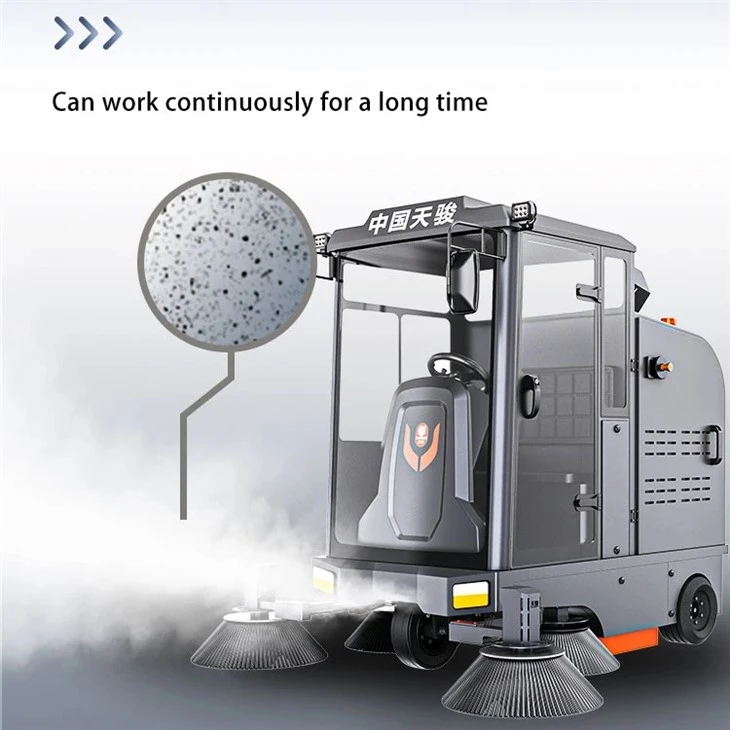
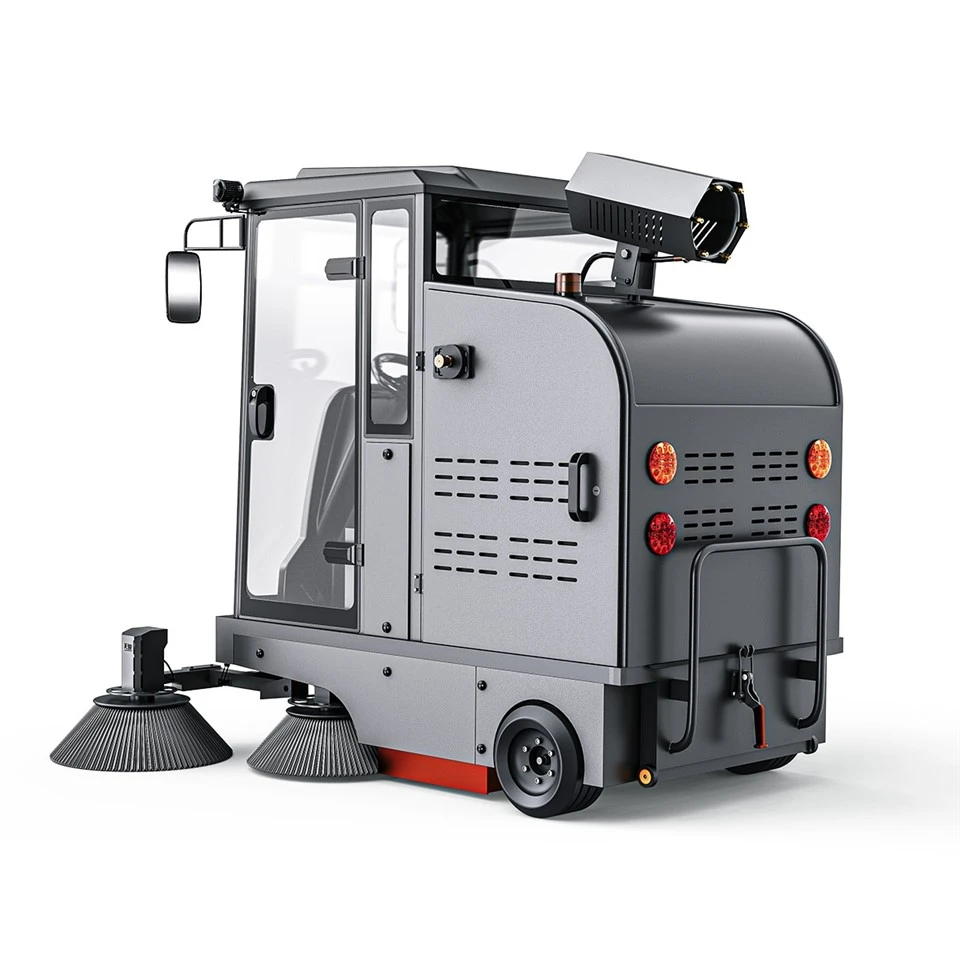
One of the most fundamental ways our floor sweeper machines deal with static electricity is through grounding systems. All our models, including the Fully Enclosed Electric Floor Sweeper, are equipped with proper grounding mechanisms. A grounding wire is connected to the metal frame of the machine, which provides a path for the static charges to flow safely into the ground. This effectively neutralizes the static electricity and prevents it from building up on the machine's surface.
The grounding system is carefully designed to ensure maximum effectiveness. The wire is made of high - conductivity materials, and it is securely attached to the machine to maintain a stable electrical connection. In addition, we conduct regular quality checks to ensure that the grounding system remains intact and functional throughout the lifespan of the machine.
Anti - Static Materials
We also use anti - static materials in the construction of our floor sweeper machines. For example, the brushes are made from special polymers that have anti - static properties. These materials are designed to reduce the generation of static electricity during the friction between the brushes and the floor. By minimizing the static charge at the source, we can significantly reduce the overall static build - up in the machine.
The filters in our machines are another area where anti - static materials are used. The filter media is treated with anti - static agents, which prevent dust particles from adhering to the filter due to static attraction. This not only improves the filtration efficiency but also extends the life of the filter, reducing the need for frequent replacements.
Ionization Technology
In some of our advanced models, such as the Outdoor Street Road Electric Floor Sweeper Machine, we incorporate ionization technology. Ionizers work by emitting positive and negative ions into the air around the machine. These ions neutralize the static charges on the dust particles and the internal components of the machine.
The ionization process is continuous and automatic. The ionizer is strategically placed within the machine to ensure that the ions are evenly distributed. This technology is particularly effective in large - scale cleaning operations, where the static build - up can be more significant.
Testing and Quality Assurance
We understand the importance of ensuring that our floor sweeper machines effectively deal with static electricity. That's why we have a rigorous testing and quality assurance process in place.
Before a new model is launched, it undergoes extensive static electricity testing. We use specialized equipment to measure the static charge levels on the machine's surface and inside its components. The machine is tested under different operating conditions, including various floor types, speeds, and cleaning modes, to simulate real - world scenarios.
If any issues related to static electricity are detected during the testing phase, our engineering team works to make the necessary adjustments. This may involve modifying the grounding system, changing the anti - static materials, or optimizing the ionization technology. Only after the machine passes all the tests with satisfactory results is it approved for mass production.
Conclusion
Static electricity is a challenge that all floor sweeper machine manufacturers need to address. At our company, we are committed to providing our customers with high - quality floor sweeper machines that effectively deal with static electricity. Our innovative solutions, including grounding systems, anti - static materials, and ionization technology, ensure that our machines operate efficiently, safely, and with minimal maintenance requirements.
Whether you are looking for a Fully Enclosed Electric Floor Sweeper for indoor use, an Outdoor Street Road Electric Floor Sweeper Machine for large - scale outdoor cleaning, or a Hand Push Electric Floor Sweeper for smaller areas, our products are designed to meet your needs.
If you are interested in learning more about our floor sweeper machines or would like to discuss a potential purchase, please feel free to reach out. We look forward to the opportunity to work with you and provide you with the best cleaning solutions.
References
- "Static Electricity in Industrial Cleaning Equipment" - Journal of Industrial Cleaning Technology
- "Anti - Static Design Principles for Electrical Appliances" - Electrical Engineering Research Journal


