


How often should I empty the dustbin of a floor sweeper machine? This is a question that many users of floor sweeper machines often ask. As a professional floor sweeper machine supplier, I'd like to share some insights on this topic to help you make the most of your floor sweeper and ensure its optimal performance.
Factors Affecting Dustbin Emptying Frequency
Several factors determine how often you should empty the dustbin of your floor sweeper machine. Understanding these factors will allow you to establish a suitable emptying schedule for your specific situation.
Cleaning Environment
The nature of the area you are cleaning plays a significant role. If you are using the floor sweeper in a commercial setting such as a factory, warehouse, or shopping mall, where there is a high volume of dust, debris, and dirt, you will need to empty the dustbin more frequently. For example, in a busy manufacturing plant, the floor may accumulate large amounts of metal shavings, sawdust, and other particles throughout the day. In such cases, it might be necessary to empty the dustbin after each cleaning session or even multiple times during a single session.
On the other hand, if you are using the floor sweeper in a residential or light - commercial environment like an office or a small retail store, the amount of dirt and debris is usually much less. You may be able to go several cleaning sessions before needing to empty the dustbin. For instance, in a well - maintained office, the main debris might be paper scraps, dust from shoes, and a small amount of dirt. Here, you could empty the dustbin once or twice a week, depending on the frequency of cleaning.
Sweeping Area
The size of the area you are cleaning also impacts the emptying frequency. A larger area will naturally generate more dirt and debris in the dustbin. If you are sweeping a large warehouse that covers thousands of square meters, the dustbin can fill up quickly, even if the level of dirt per square meter is relatively low. In contrast, if you are only cleaning a small room or a confined space, the dustbin will take longer to fill.
Type of Debris
The type of debris being swept up affects how fast the dustbin fills. Fine dust can settle and pack tightly in the dustbin, while larger, bulkier items like leaves, twigs, or pieces of paper take up more space but may not pack as densely. For example, if you are using a floor sweeper to clean a park or an outdoor area with a lot of leaves, the dustbin can fill up rapidly due to the large volume of the leaves. However, if you are dealing with fine sand or dust in a construction site, the dustbin may also fill up quickly, as the fine particles can accumulate in large quantities.
Benefits of Regular Dustbin Emptying
Emptying the dustbin of your floor sweeper machine regularly offers several benefits.
Maintaining Suction Power
One of the most important benefits is maintaining the suction power of the floor sweeper. When the dustbin is full, it restricts the airflow through the machine. This reduced airflow means that the suction power decreases, and the floor sweeper becomes less effective at picking up dirt and debris. Regularly emptying the dustbin ensures that the airflow remains unobstructed, allowing the machine to operate at its maximum suction capacity.
Prolonging Machine Lifespan
A full dustbin can put additional strain on the motor and other components of the floor sweeper. The increased resistance caused by a filled dustbin forces the motor to work harder, which can lead to premature wear and tear. By emptying the dustbin regularly, you reduce the stress on the machine's components, thereby prolonging its lifespan and reducing the likelihood of costly repairs.
Ensuring Hygiene
A dirty dustbin can become a breeding ground for bacteria, mold, and other harmful microorganisms. These can then be released back into the air during the cleaning process, posing a health risk to the users and the occupants of the cleaned area. Regularly emptying and cleaning the dustbin helps to keep it clean and free of contaminants, ensuring a hygienic cleaning environment.
Recommended Emptying Schedules
Based on the above factors, here are some general recommended emptying schedules for different types of floor sweeper machines and cleaning scenarios.
Residential Use
For a residential floor sweeper, if you are using it to clean your home once or twice a week, you can empty the dustbin every 2 - 3 cleaning sessions. This is suitable for a typical family home where the main debris is dust, pet hair, and a small amount of dirt. However, if you have pets that shed a lot of hair or if you have young children who track in more dirt, you may need to empty the dustbin more frequently, perhaps after each cleaning session.
Light - Commercial Use
In an office or a small retail store, if you are using the floor sweeper daily, you can empty the dustbin 2 - 3 times a week. This is assuming that the cleaning area is not overly large and the level of dirt is relatively low. For example, in a small office with a few employees, the main sources of dirt are limited to normal foot traffic and some paper waste.
Heavy - Commercial Use
In a factory, warehouse, or large commercial space, the dustbin should be emptied after each cleaning session or more frequently if necessary. These environments often have high levels of dirt, debris, and dust, and a full dustbin can quickly lead to a decrease in the machine's performance.
Our Floor Sweeper Machine Range
As a floor sweeper machine supplier, we offer a wide range of high - quality floor sweepers to meet different cleaning needs. Our Battery - Powered Compact Ride - On Sweeper is perfect for small to medium - sized areas. It is easy to maneuver and has a decent dustbin capacity, which can reduce the frequency of emptying for light - to - medium cleaning tasks.
For those who need to clean outdoor areas or large spaces, our Mini Electric Road Sweeper is a great choice. It has a powerful suction system and a large dustbin, but due to the nature of outdoor cleaning, it may require more frequent emptying.

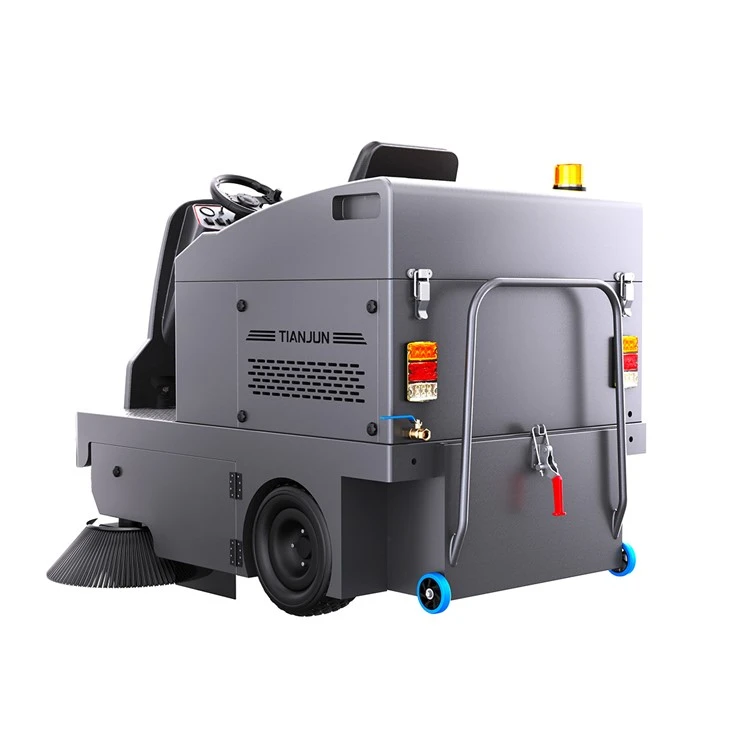
If you are looking for a high - performance floor sweeper for large commercial or industrial settings, our Ride On Sweeper with Three Side Brushes is an excellent option. It can cover a large area quickly, but you need to be aware of the dustbin filling up rapidly, especially in areas with high levels of debris.
Conclusion
Determining how often to empty the dustbin of a floor sweeper machine depends on various factors such as the cleaning environment, sweeping area, and type of debris. By understanding these factors and following the recommended emptying schedules, you can ensure that your floor sweeper operates efficiently, lasts longer, and provides a clean and hygienic environment.
If you are interested in purchasing a floor sweeper machine or have any questions about our products, we encourage you to contact us for a detailed discussion. Our team of experts is ready to assist you in finding the right floor sweeper for your specific needs and offer guidance on its proper use and maintenance.
References
- "Floor Cleaning Equipment: Operation and Maintenance Guide", Industry Standards Publication
- "The Impact of Debris Type on Floor Sweeper Performance", Journal of Cleaning Technology Research


