


Hey there! As a supplier of floor sweeper and scrubber machines, I've gotten tons of questions from customers about how to adjust the water flow of these nifty devices. It's a super important aspect because getting the water flow right can make a huge difference in how well your machine cleans and how long it lasts. So, let's dive right in and talk about the ins and outs of adjusting the water flow on your floor sweeper and scrubber machine.
Why Adjusting Water Flow Matters
First off, you might be wondering why it's such a big deal to adjust the water flow. Well, if the water flow is too high, you'll end up using way more water than necessary. Not only is that wasteful, but it can also leave your floors soaking wet, which takes longer to dry and can even cause damage in some cases. On the other hand, if the water flow is too low, your machine won't be able to effectively clean the dirt and grime off the floor. So, finding that sweet spot is key to getting the best cleaning results.
Types of Floor Sweeper and Scrubber Machines
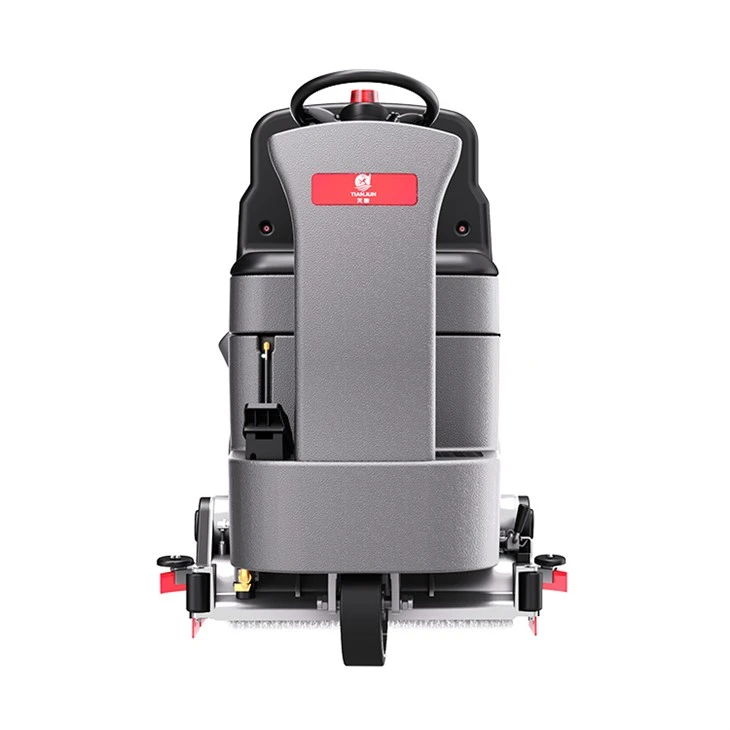
Before we get into the nitty - gritty of adjusting water flow, let's quickly talk about the different types of floor sweeper and scrubber machines out there. We've got Ride On Floor Sweeper Scrubber Machine, which are great for large areas like warehouses and big commercial spaces. These are usually more powerful and have larger water tanks. Then there are Hand Push Floor Sweeper and Scrubber Machine, which are more suitable for smaller areas like shops and offices. And don't forget about Ride On Floor Sweeper Scrubber Combo, which combine the functions of sweeping and scrubbing in one machine.
How to Adjust Water Flow
Check the Manual
The first step in adjusting the water flow of your floor sweeper and scrubber machine is to check the manual. Every machine is a little different, and the manufacturer's instructions are the best place to start. The manual will tell you where the water flow adjustment controls are located and how to use them. It might seem like a no - brainer, but you'd be surprised how many people skip this step and end up struggling to figure things out.
Locate the Water Flow Control
Once you've read the manual, it's time to locate the water flow control. In most machines, this is a valve or a knob that you can turn to increase or decrease the water flow. On some models, it might be a digital control panel where you can set the exact amount of water you want to use.
Test the Water Flow
Before you start cleaning, it's a good idea to test the water flow. Turn on the machine and let it run for a few seconds on a small, inconspicuous area of the floor. Check to see if the water is being distributed evenly and if the amount of water is appropriate for the type of dirt and the floor surface. If the water flow is too high, you'll see puddles forming on the floor. If it's too low, the floor might not look clean enough.
Make Adjustments
Based on your test, make the necessary adjustments to the water flow. If the water flow is too high, turn the valve or knob counter - clockwise to decrease it. If it's too low, turn it clockwise to increase it. On digital control panels, you can usually use the up and down arrows to adjust the settings. Keep testing and adjusting until you find the perfect water flow for your cleaning needs.
Factors Affecting Water Flow Adjustment
Floor Type
The type of floor you're cleaning plays a big role in determining the right water flow. For example, porous floors like concrete or natural stone might require more water to effectively clean the dirt that has seeped into the pores. On the other hand, non - porous floors like tile or vinyl can usually be cleaned with less water.
Dirt Level
The amount of dirt on the floor also affects the water flow. If the floor is very dirty, you'll need more water to break down the grime. For lightly soiled floors, less water will do the trick.
Machine Speed
The speed at which you operate the machine can impact the water flow. If you're moving the machine too quickly, you might need to increase the water flow to ensure that the floor gets enough cleaning solution. Conversely, if you're moving slowly, you can probably get away with a lower water flow.
Tips for Maintaining the Right Water Flow
Regular Maintenance
To keep your machine's water flow working properly, it's important to perform regular maintenance. This includes cleaning the water tank, filters, and nozzles. Over time, dirt and debris can clog these parts, which can affect the water flow. Make sure to follow the maintenance schedule recommended in the manual.

Use the Right Cleaning Solution
Using the right cleaning solution can also help maintain the proper water flow. Some cleaning solutions can leave behind residue that can clog the nozzles and other parts of the machine. Make sure to use a cleaning solution that is recommended for your specific machine and floor type.
Conclusion
Adjusting the water flow of your floor sweeper and scrubber machine is an important skill that can help you get the best cleaning results and extend the life of your machine. By following the steps we've discussed, considering the factors that affect water flow, and performing regular maintenance, you'll be able to keep your machine running smoothly and your floors looking great.
If you're in the market for a new floor sweeper and scrubber machine or have any questions about adjusting water flow or any other aspect of these machines, don't hesitate to reach out. We're here to help you find the perfect solution for your cleaning needs.
References
- Manufacturer's manuals for floor sweeper and scrubber machines
- Industry best practices for floor cleaning equipment operation


