


Transporting a floor sweeper and scrubber machine requires careful planning and execution to ensure the equipment arrives at its destination in good condition. As a supplier of floor sweeper and scrubber machines, I've encountered various challenges and learned effective strategies for successful transportation. In this blog, I'll share some valuable insights on how to transport these machines safely and efficiently.
Pre - transport Preparation
Before moving the floor sweeper and scrubber machine, it's essential to conduct a thorough inspection. Check for any loose parts, damaged components, or signs of wear and tear. Tighten all bolts and screws to prevent them from coming loose during transit. This step is crucial as it helps identify potential issues that could worsen during transportation.
Drain all fluids from the machine, including water, cleaning solutions, and fuel. These fluids can spill during transit, causing damage to the machine and potentially creating a safety hazard. For example, fuel spills can be extremely dangerous, and water or cleaning solution spills can lead to rust and corrosion inside the machine.
Remove any detachable parts such as brushes, squeegees, and side brooms. These parts are often fragile and can be easily damaged during transportation. Store them in a separate, well - padded container to keep them safe. Label the container clearly to ensure that all parts are accounted for and can be easily reinstalled at the destination.
Packaging
Proper packaging is the key to protecting the floor sweeper and scrubber machine during transportation. Start by wrapping the machine with a protective plastic or foam wrap. This wrap acts as a cushion, absorbing shocks and vibrations during transit. Pay special attention to areas that are more prone to damage, such as the control panel, display screens, and exposed metal parts.
Place the wrapped machine on a sturdy pallet. The pallet provides a stable base for the machine and makes it easier to handle with forklifts or pallet jacks. Secure the machine to the pallet using heavy - duty straps or shrink - wrap. Make sure the straps are tight enough to hold the machine firmly in place but not so tight that they cause damage to the machine.
If possible, place the palletized machine inside a wooden crate. The crate offers an extra layer of protection against impacts, scratches, and weather conditions. Seal the crate securely to prevent dust, moisture, and debris from entering. You can also add additional padding inside the crate, such as bubble wrap or packing peanuts, to further protect the machine.
Choosing the Right Transportation Method
The choice of transportation method depends on several factors, including the size and weight of the machine, the distance of the journey, and the budget.
For short - distance transportation within a local area, a flatbed truck or a van may be sufficient. These vehicles are easy to load and unload, and they offer some protection from the elements. However, make sure the vehicle has a secure tie - down system to prevent the machine from shifting during transit.
For long - distance transportation, consider using a professional freight carrier. Freight carriers have the experience and equipment to handle large and heavy machinery safely. They also offer insurance options to protect your investment in case of damage during transit. When choosing a freight carrier, look for one with a good reputation, proper licensing, and a history of transporting similar equipment.
If you are shipping the machine internationally, you may need to use a shipping container. Shipping containers provide excellent protection against the harsh conditions of sea travel, including saltwater corrosion and rough handling. However, international shipping also involves customs clearance and compliance with various regulations, so it's important to work with a freight forwarder who can handle these processes for you.
Loading and Unloading
Loading and unloading the floor sweeper and scrubber machine require careful attention to detail. Use appropriate equipment such as forklifts or pallet jacks to lift the machine onto the transportation vehicle. Make sure the equipment is in good working condition and operated by trained personnel.
When loading the machine, position it carefully on the vehicle to ensure proper weight distribution. An unevenly loaded vehicle can be unstable and increase the risk of accidents during transit. Secure the machine to the vehicle using straps or chains to prevent it from moving during transportation.
At the destination, follow the same procedures in reverse for unloading. Inspect the machine immediately after unloading to check for any signs of damage. If you notice any damage, document it thoroughly and notify the transportation provider and your insurance company as soon as possible.
Types of Floor Sweeper and Scrubber Machines
There are different types of floor sweeper and scrubber machines, each with its own transportation requirements.
The Ride On Floor Sweeper Scrubber Machine is larger and heavier than other types. It often requires a larger vehicle for transportation and may need more complex packaging to protect its control systems and seating area. Due to its size, it's important to ensure that the transportation vehicle has enough space and a strong enough suspension to handle the weight.
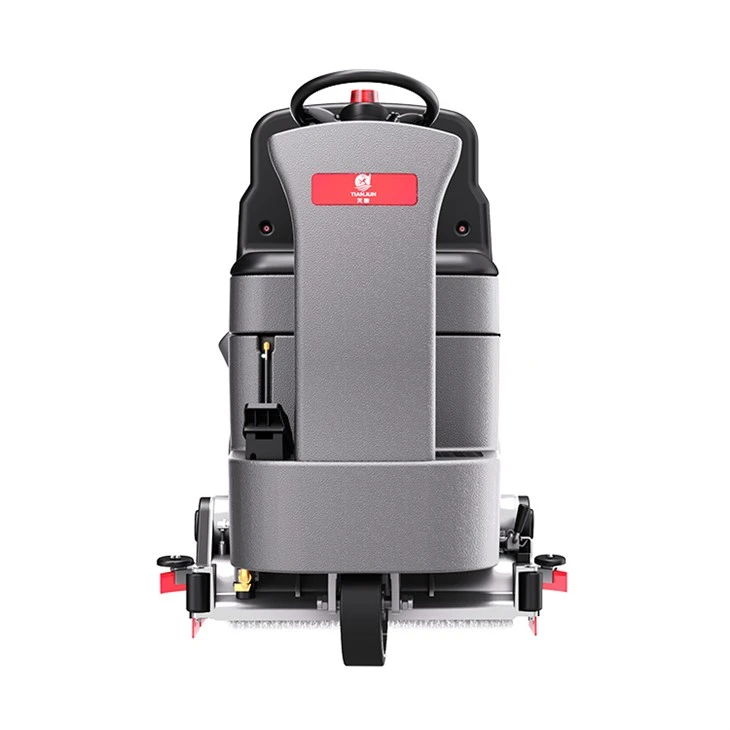

The Hand Push Floor Sweeper and Scrubber Machine is more compact and easier to transport. However, it still needs proper packaging to protect its components, especially the handle and the cleaning mechanisms. It can usually be transported in a van or a small truck.
The Ride On Floor Sweeper Scrubber Combo combines the functions of sweeping and scrubbing. It has a more complex design and may require additional protection during transportation. Special attention should be paid to the connection between the sweeping and scrubbing components to prevent them from getting damaged.
Conclusion
Transporting a floor sweeper and scrubber machine is a process that demands careful planning, proper packaging, and the right transportation method. By following the steps outlined in this blog, you can ensure that your machine arrives at its destination in good condition, ready to be put to work.
If you are in the market for a high - quality floor sweeper and scrubber machine, or if you have any questions about transportation or our products, we are here to assist you. Contact us to discuss your specific needs and start a procurement negotiation. We look forward to providing you with the best solutions for your floor cleaning requirements.
References
- "Industrial Equipment Transportation Handbook"
- "Best Practices for Packaging Heavy Machinery"
- "Shipping Regulations for Industrial Equipment"


