


Hey there! As a supplier of industrial vacuum cleaners, I often get asked about the anti-static performance of these machines. It's a crucial aspect, especially in industrial settings where static electricity can cause a whole bunch of problems. So, let's dive right in and talk about what the anti-static performance of an industrial vacuum cleaner really means.
Why Anti-Static Performance Matters
First off, let's understand why anti-static performance is so important. In industrial environments, static electricity can build up easily. This can be due to various factors like friction between materials, air movement, or even the operation of machinery. When static charges accumulate, they can lead to some serious issues.
For starters, static electricity can attract dust and debris. You know how a balloon sticks to your hair after you rub it? Well, it's the same principle. Dust particles are attracted to surfaces with a static charge. In an industrial vacuum cleaner, if there's a static build-up, it can cause dust to cling to the inside of the machine, reducing its efficiency. It can also make it harder to empty the dust container, as the dust just won't let go.
Another big problem is the risk of static sparks. In some industries, like those dealing with flammable materials or explosive dusts, a single static spark can be catastrophic. It can ignite the dust or vapors in the air, leading to fires or explosions. That's why having an industrial vacuum cleaner with good anti-static performance is not just a nice-to-have; it's a must-have for safety reasons.
How Industrial Vacuum Cleaners Achieve Anti-Static Performance
Now that we know why it's important, let's talk about how industrial vacuum cleaners achieve anti-static performance. There are a few different ways this can be done.
One common method is through the use of anti-static materials. Many industrial vacuum cleaners are made with components that have anti-static properties. For example, the hoses and filters can be made from materials that resist the build-up of static charges. These materials are designed to dissipate the static electricity safely, preventing it from accumulating and causing problems.
Some vacuum cleaners also use special grounding systems. Just like how you ground an electrical appliance to prevent electric shocks, industrial vacuum cleaners can be grounded to prevent static build-up. The grounding system provides a path for the static electricity to flow safely to the ground, keeping the machine and the surrounding environment safe.
Another approach is the use of ionizers. Ionizers work by releasing ions into the air. These ions neutralize the static charges on dust particles and surfaces, reducing the risk of static sparks and dust clinging. Some industrial vacuum cleaners have built-in ionizers that work continuously while the machine is running, helping to maintain a static-free environment.
Types of Industrial Vacuum Cleaners with Good Anti-Static Performance
There are several types of industrial vacuum cleaners that are known for their good anti-static performance. Let's take a look at a few of them.
The Warehouse Industrial Vacuum Cleaner is a great option for large warehouses and industrial facilities. These vacuum cleaners are designed to handle a lot of dust and debris, and they often come with anti-static features to ensure efficient operation. They typically have large dust containers and powerful motors, making them suitable for cleaning large areas quickly.
If you're looking for a more portable option, the Lithium Battery Industrial Vacuum Cleaner is a good choice. These vacuum cleaners are powered by lithium batteries, which means they can be used anywhere without the need for a power outlet. They are also often designed with anti-static features to make them suitable for a variety of industrial applications.
For construction sites and other heavy-duty applications, the 3600W Construction Industrial Vacuum Cleaner is a top pick. With its powerful 3600W motor, it can handle large amounts of dust and debris. It also has features like anti-static hoses and filters to ensure that it operates safely and efficiently in a construction environment.
Testing and Certification
When it comes to anti-static performance, it's important to choose an industrial vacuum cleaner that has been tested and certified. There are various standards and certifications that indicate a vacuum cleaner meets certain anti-static requirements.
For example, some vacuum cleaners are certified to meet the requirements of the ATEX directive. This directive is designed to ensure the safety of equipment used in potentially explosive atmospheres. A vacuum cleaner with ATEX certification has been tested and proven to have good anti-static performance, making it suitable for use in industries where there is a risk of explosions.

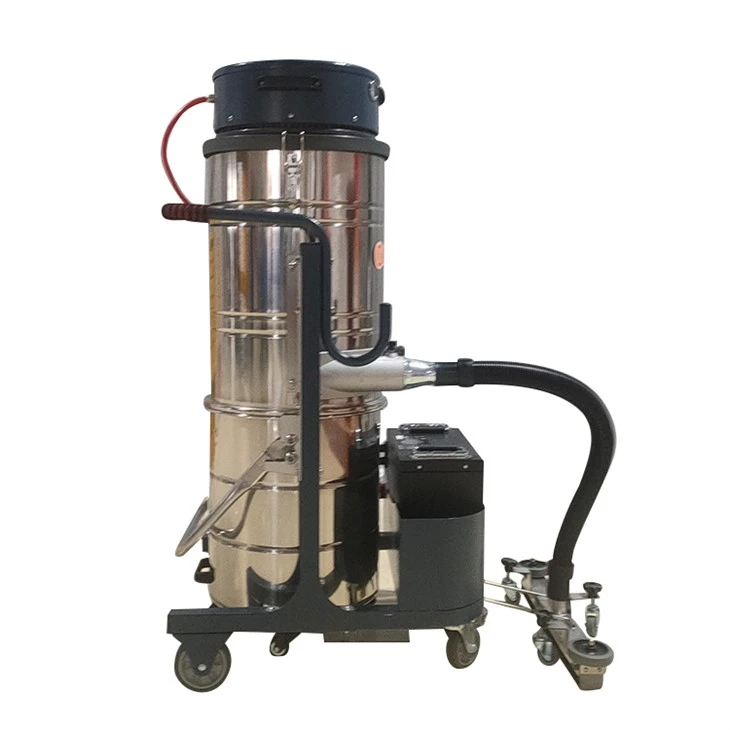
Other certifications, like those from independent testing laboratories, can also give you confidence in the anti-static performance of an industrial vacuum cleaner. These certifications provide objective evidence that the machine meets certain standards and will perform as expected.
Choosing the Right Industrial Vacuum Cleaner for Your Needs
So, how do you choose the right industrial vacuum cleaner with good anti-static performance for your needs? Well, there are a few things to consider.
First, think about the type of industry you're in and the specific hazards you face. If you're in an industry where there is a risk of explosions or fires, you'll need a vacuum cleaner with the highest level of anti-static performance and appropriate safety certifications. On the other hand, if you're just dealing with regular dust in a warehouse or office environment, you may not need such a high level of protection.
Next, consider the size and capacity of the vacuum cleaner. You'll want to choose a machine that is big enough to handle the amount of dust and debris you generate. If you have a large area to clean, a larger vacuum cleaner with a bigger dust container may be more suitable. But if you need to clean in tight spaces or move the vacuum cleaner around a lot, a smaller, more portable model may be a better choice.
Finally, don't forget to consider the cost. Industrial vacuum cleaners can vary widely in price, depending on their features and performance. While it's important to invest in a good quality machine, you also don't want to overspend. Look for a vacuum cleaner that offers the right balance of anti-static performance, features, and price for your needs.
Conclusion
In conclusion, the anti-static performance of an industrial vacuum cleaner is a crucial factor to consider. It can affect the efficiency of the machine, as well as the safety of your workplace. By choosing a vacuum cleaner with good anti-static performance, you can ensure that it works effectively, reduces the risk of static-related problems, and keeps your employees and equipment safe.
If you're in the market for an industrial vacuum cleaner and have any questions about anti-static performance or need help choosing the right machine for your needs, don't hesitate to get in touch. We're here to help you find the perfect solution for your industrial cleaning requirements. Let's talk about how we can work together to make your workplace cleaner and safer.
References
- Safety standards for industrial vacuum cleaners in explosive atmospheres.
- Research on the effects of static electricity on industrial cleaning equipment.
- Manufacturer's specifications for anti-static industrial vacuum cleaners.


