


Hey there! As a supplier of Warehouse Industrial Vacuum Cleaners, I often get asked about the water lift capacity of these machines. So, let's dive into this topic and figure out what it means, why it matters, and how it affects the performance of our Warehouse Industrial Vacuum Cleaner.
What is Water Lift Capacity?
Water lift capacity, also known as suction lift, is a measure of the vacuum cleaner's ability to create a vacuum and lift water or other liquids. It's usually measured in inches of water column (in. WC). In simple terms, it tells you how strong the suction power of the vacuum cleaner is. The higher the water lift capacity, the more powerful the suction.
Let's say you have a spill of water on the warehouse floor. A vacuum cleaner with a high water lift capacity can quickly suck up the water, even if it's in a thick puddle or has seeped into the cracks. On the other hand, a vacuum cleaner with a low water lift capacity might struggle to pick up the water, leaving behind a wet mess.
Why Does Water Lift Capacity Matter?
In a warehouse setting, water spills can happen quite often. Whether it's from a leaky pipe, a broken sprinkler system, or a spill during a cleaning process, having a vacuum cleaner with a high water lift capacity is essential. It can save you time and effort in cleaning up these spills, and prevent potential damage to the warehouse floor and equipment.
Moreover, a high water lift capacity also means that the vacuum cleaner can handle other types of debris, such as dust, dirt, and small particles. This makes it a versatile tool for maintaining a clean and safe warehouse environment.
How to Determine the Right Water Lift Capacity for Your Warehouse
The water lift capacity you need depends on several factors, including the size of your warehouse, the type of spills you're likely to encounter, and the frequency of cleaning. Here are some guidelines to help you choose the right water lift capacity:
- Small Warehouses: If you have a small warehouse with occasional water spills, a vacuum cleaner with a water lift capacity of 80 - 100 in. WC should be sufficient. This type of vacuum cleaner is usually compact and easy to maneuver, making it ideal for small spaces.
- Medium-Sized Warehouses: For medium-sized warehouses with more frequent water spills, you'll need a vacuum cleaner with a water lift capacity of 100 - 120 in. WC. This will ensure that the vacuum cleaner can handle larger spills and clean up quickly.
- Large Warehouses: In large warehouses with heavy traffic and frequent spills, a vacuum cleaner with a water lift capacity of 120 in. WC or higher is recommended. These vacuum cleaners are more powerful and can handle large volumes of water and debris.
Our Warehouse Industrial Vacuum Cleaner
At our company, we offer a range of Warehouse Industrial Vacuum Cleaner with different water lift capacities to meet the needs of various warehouses. Our vacuum cleaners are designed to be durable, efficient, and easy to use.
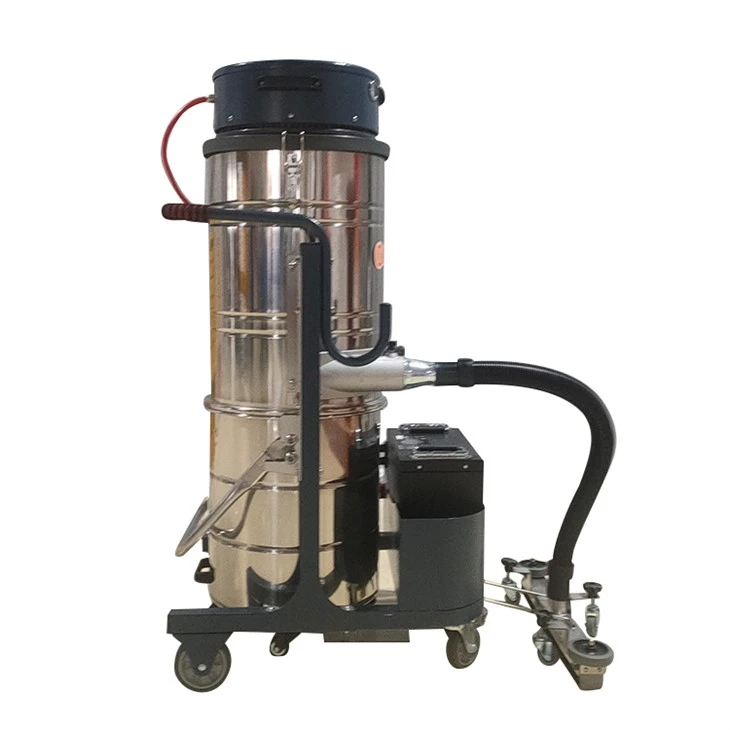
One of our popular models is the Lithium Battery Industrial Vacuum Cleaner. This vacuum cleaner is powered by a lithium battery, which provides long-lasting power and portability. It has a high water lift capacity of up to 120 in. WC, making it suitable for medium to large warehouses.
Another option is our Commercial Portable Carpet Cleaner. This vacuum cleaner is designed specifically for cleaning carpets in warehouses and commercial spaces. It has a water lift capacity of 100 in. WC and comes with a range of attachments for different cleaning tasks.

Tips for Maintaining Your Vacuum Cleaner
To ensure that your vacuum cleaner performs at its best and has a long lifespan, it's important to maintain it properly. Here are some tips:
- Empty the Collection Tank Regularly: Make sure to empty the collection tank after each use to prevent it from overflowing and damaging the vacuum cleaner.
- Clean the Filters: The filters in your vacuum cleaner need to be cleaned regularly to maintain good suction power. Follow the manufacturer's instructions on how to clean the filters.
- Check the Hoses and Nozzles: Inspect the hoses and nozzles for any blockages or damage. If you find any issues, replace the parts as needed.
- Store the Vacuum Cleaner Properly: When not in use, store the vacuum cleaner in a dry and clean place. Avoid leaving it in direct sunlight or in a damp environment.
Conclusion
In conclusion, the water lift capacity of a warehouse industrial vacuum cleaner is an important factor to consider when choosing a vacuum cleaner for your warehouse. A high water lift capacity means more powerful suction, which can help you clean up spills quickly and efficiently. At our company, we offer a range of vacuum cleaners with different water lift capacities to meet the needs of various warehouses. If you're interested in purchasing a warehouse industrial vacuum cleaner, feel free to contact us for more information and to discuss your specific requirements. We're here to help you find the right vacuum cleaner for your business.
References
- Manufacturer's specifications for warehouse industrial vacuum cleaners.
- Industry standards and guidelines for vacuum cleaner performance.


