


As a seasoned supplier of floor sweeper machines, I've witnessed firsthand the transformative impact these devices have on cleaning efficiency across various settings. In this blog, I'll delve into the working principle of a floor sweeper machine, shedding light on how these innovative tools operate to keep floors spotless.
Basic Components of a Floor Sweeper Machine
Before we dive into the working principle, it's essential to understand the key components that make up a floor sweeper machine. These components work in harmony to ensure effective cleaning.
1. Brushes
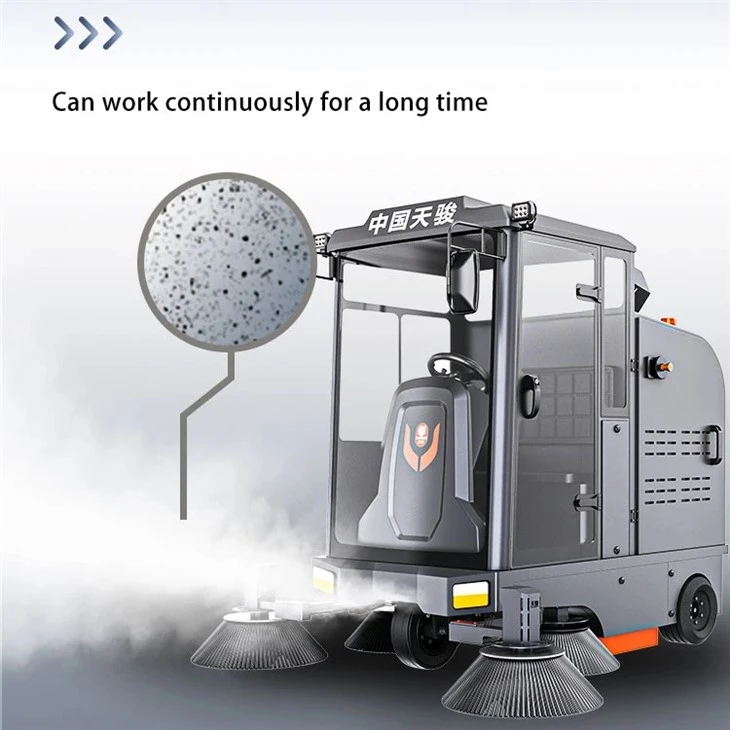
Brushes are one of the most critical parts of a floor sweeper machine. There are typically two types: main brushes and side brushes. The main brush is located at the center of the machine and rotates to agitate and loosen dirt, debris, and dust from the floor surface. Side brushes, on the other hand, are positioned on the sides of the machine. They sweep dirt from the edges and corners towards the path of the main brush, ensuring comprehensive cleaning coverage.
2. Suction System
The suction system is responsible for collecting the loosened dirt and debris. It consists of a powerful motor that creates a vacuum, drawing the dirt into the machine. The suction force is crucial for effectively removing fine dust particles and larger debris from the floor.
3. Dustbin
The dustbin is where the collected dirt and debris are stored. It is designed to be easily removable for emptying and cleaning. Some advanced floor sweeper machines are equipped with self - emptying dustbins, which further enhance the convenience of operation.
4. Filters
Filters play a vital role in maintaining the air quality inside the machine and preventing dust from being released back into the environment. They trap dust particles as the air passes through the suction system, ensuring that only clean air is expelled.
5. Wheels and Mobility System
Wheels and the mobility system allow the floor sweeper machine to move around the cleaning area. Depending on the type of machine, it can be manually pushed, self - propelled, or even ride - on. The mobility system is designed to provide smooth movement and easy maneuverability, enabling the machine to reach different areas efficiently.
The Working Process of a Floor Sweeper Machine
Now that we've familiarized ourselves with the components, let's explore the step - by - step working process of a floor sweeper machine.
1. Activation
When the floor sweeper machine is turned on, the motor powers up the brushes and the suction system. The main brush starts rotating at a high speed, and the side brushes also begin their sweeping action.
2. Dirt Loosening
The rotating main brush agitates the dirt and debris on the floor surface. Its bristles dig into the floor, dislodging dirt that may be stuck or embedded. The side brushes sweep dirt from the edges and corners towards the center of the machine, ensuring that no area is left uncleaned.
3. Suction
Simultaneously, the suction system creates a powerful vacuum. As the dirt is loosened by the brushes, the suction force pulls it into the machine through the intake opening. The size of the intake opening is designed to accommodate different sizes of debris, from fine dust to larger pieces of trash.
4. Filtration
Once the dirt and debris are inside the machine, they pass through the filters. The filters capture the dust particles, preventing them from being recirculated into the air. This not only keeps the air clean but also protects the internal components of the machine from damage caused by dust.
5. Storage
The dirt and debris that pass through the filters are then deposited into the dustbin. The dustbin is designed to hold a significant amount of dirt, reducing the frequency of emptying. When the dustbin is full, it can be easily removed and emptied.
6. Mobility
As the cleaning process continues, the floor sweeper machine moves around the cleaning area. If it is a self - propelled or ride - on machine, the operator can control the direction and speed of movement. For manually pushed machines, the operator guides it across the floor, ensuring complete coverage of the area.
Different Types of Floor Sweeper Machines and Their Working Principles
1. Manual Floor Sweeper Machines
Manual floor sweeper machines are typically lightweight and easy to operate. They rely on the operator to push them across the floor. The working principle is similar to that of other floor sweeper machines, with brushes loosening the dirt and a simple suction system (or sometimes just a mechanical collection system) collecting the debris. These machines are suitable for small - scale cleaning tasks, such as in homes or small offices.
2. Battery - Powered Compact Ride - On Sweeper
The Battery - Powered Compact Ride - On Sweeper is a more advanced type of floor sweeper machine. It is powered by a battery, which provides the energy needed to operate the brushes, suction system, and mobility system. The operator can ride on the machine, which offers greater comfort and efficiency, especially for large - scale cleaning areas such as warehouses and factories. The working principle remains the same, but the machine's design and power allow for more extensive and faster cleaning.
3. Mini Electric Road Sweeper
The Mini Electric Road Sweeper is specifically designed for outdoor cleaning tasks, such as on roads and sidewalks. It is equipped with larger brushes and a more powerful suction system to handle the heavier dirt and debris found outdoors. The electric motor powers the machine, and its compact design allows it to maneuver easily in narrow spaces.
4. Outdoor Street Road Electric Floor Sweeper Machine
The Outdoor Street Road Electric Floor Sweeper Machine is a heavy - duty machine designed for large - scale outdoor cleaning. It has a powerful suction system and large - diameter brushes to effectively clean streets, parking lots, and other outdoor areas. The electric power source provides a clean and efficient operation, making it an environmentally friendly choice for outdoor cleaning.
Advantages of Using Floor Sweeper Machines
1. Efficiency
Floor sweeper machines can clean large areas in a short amount of time, significantly reducing the cleaning time compared to manual cleaning methods.
2. Consistency
They provide consistent cleaning results, ensuring that every part of the floor is cleaned thoroughly.
3. Health Benefits
By effectively removing dust and debris, floor sweeper machines help improve the air quality in the cleaning area, reducing the risk of allergies and respiratory problems.
4. Cost - Effectiveness
Although the initial investment in a floor sweeper machine may be relatively high, it can save money in the long run by reducing labor costs and increasing cleaning efficiency.
Conclusion
In conclusion, the working principle of a floor sweeper machine is based on the coordinated operation of its components, including brushes, suction systems, filters, and dustbins. Different types of floor sweeper machines are designed to meet various cleaning needs, from small - scale indoor cleaning to large - scale outdoor tasks.
If you're in the market for a high - quality floor sweeper machine, we're here to help. Our range of floor sweeper machines is designed with the latest technology and offers excellent performance and reliability. Whether you need a compact machine for a small space or a heavy - duty machine for large - scale cleaning, we have the perfect solution for you. Contact us today to discuss your specific requirements and explore the options available for your cleaning needs.

References
- "Cleaning Equipment Handbook" - A comprehensive guide to various cleaning equipment, including floor sweeper machines.
- Industry research reports on floor cleaning technology and trends.


