

Bangladesh Floor Cleaning Equipment Market: Rising Demand and Future Prospects
With the rapid development of the ground cleaning equipment industry, attention is shifting beyond the traditional European and American markets toward rapidly growing emerging economies.
In the South Asian subcontinent, Bangladesh is drawing global attention with its accelerated pace of urbanization and industrialization.
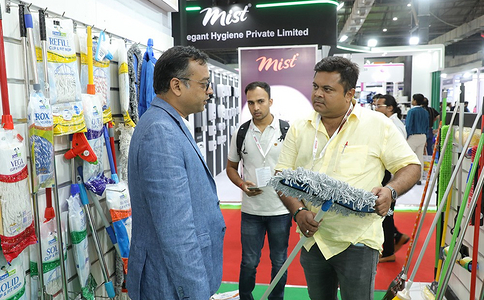
As cities expand and the number of factories rises sharply, the shift from manual cleaning to equipment-assisted cleaning has become increasingly urgent, opening a new window for industry growth.
From the commercial districts of Dhaka to the industrial parks of Chittagong, cleaning equipment is becoming more common, highlighting the potential of this emerging market.
Based on market research, this article examines the demand and future prospects of Bangladesh's cleaning equipment industry.
1. Three Key Drivers of Rising Demand
(1) Urbanization spurs urgent demand for public cleanliness
Bangladesh is experiencing rapid urbanization, with the share of the urban population rising from 23% in 2000 to 39% today. Major cities such as Dhaka and Chittagong now have some of the highest population densities in the world.
Dense populations inevitably generate large amounts of waste. Dhaka alone produces nearly 6,000 tons of garbage daily, and traditional manual cleaning is too inefficient to handle the pressure caused by such heavy pedestrian flows.
In places like airports and shopping malls, floor stains and dust not only affect appearance but also pose safety risks-during the rainy season, wet and uncleaned floors can easily cause slips.
This growing need for cleanliness has fueled strong public-sector demand for cleaning equipment.
The government's Promotion Plan for Electric Sanitation Vehicles aims to raise the mechanized cleaning rate in major cities to 40% by 2025, prioritizing purchases of sweepers and floor scrubbers.
Dhaka's municipal department has piloted new-energy-powered sweepers-such as walk-behind and ride-on models-with cleaning efficiencies of 3,000–12,000 m² per hour, greatly easing sanitation worker shortages.
(2) Industrial upgrading drives demand for cleaner workshops
Textiles, garments, and food processing are Bangladesh's pillar industries, with over 4,500 textile factories and 7,000 garment enterprises nationwide.
These factories face persistent challenges with dust and fiber debris: cotton lint in textile workshops can easily trigger fires, while raw material residues in food plants can breed bacteria.
Traditionally, most factories relied on manual cleaning, which was not only inefficient but also hazardous-dust inhalation has caused higher rates of occupational illness. According to the WHO, the incidence of respiratory disease among Bangladeshi manufacturing workers is 27% higher than in other sectors.
As labor regulations tighten, companies are actively upgrading cleaning equipment.
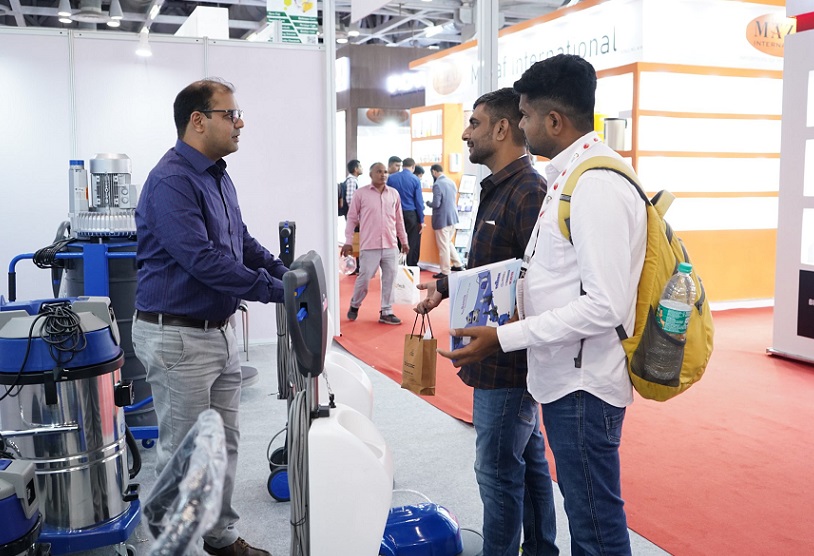
In garment industry parks on the outskirts of Dhaka, 30% of factories are now equipped with industrial vacuum cleaners to quickly remove fabric debris.
Food processing plants prefer waterproof floor scrubbers, which clean oil stains while drying floors, meeting hygiene standards.
As a result, cleaning equipment is shifting from being an "optional product" to a "necessity."
(3) Environmental policies and rising health awareness
Air pollution is a major issue in Bangladesh, with PM2.5 levels in Dhaka often exceeding WHO standards by more than five times. Dust emissions are a key contributor.
To meet its Paris Agreement commitments, the government has introduced strict dust-control regulations, requiring factories to install efficient filtration and cleaning systems.
At the same time, growing public health awareness is pushing commercial establishments to prioritize cleanliness, making sanitation an important factor in consumer choice.
2. Distinctive Characteristics of Market Demand
(1) Strong preference for cost-effective equipment
Given the stage of economic development, Bangladeshi companies are highly price-sensitive. The most popular products are priced under 10,000 taka (≈700 RMB).
For example, local brand Walton's 3,300-taka vacuum cleaner (1,000 watts, multi-layer filtration) holds 40% of the low-end market.
International brands can only compete by simplifying functions and reducing material costs to meet local affordability.
Durability and maintenance costs are also key.
Factories and sanitation departments prefer equipment that can run 4–6 hours continuously and allow easy part replacement. Since local spare parts are scarce, customers place strong emphasis on product reliability and after-sales support.
(2) Differentiated demand across segments
Demand varies significantly by sector:
Public sanitation favors large electric sweepers, capable of handling complex roads and long ranges.
Factories focus on industrial vacuum cleaners and small scrubbers, requiring strong suction and corrosion resistance.
Commercial spaces prefer lightweight devices, such as handheld vacuums under 5 kg, for shelf and corner cleaning.
Climate adaptability is another key factor.
Bangladesh's hot, humid climate requires equipment with high heat and corrosion resistance.
Local distributors often modify imported machines-for example, adding heat sinks to vacuum cleaner motors to extend service life.
3. Promising Outlook, but Challenges Remain
(1) Market potential continues to grow
Global Impressions predicts Bangladesh's sweeper market will grow at 12% annually from 2023 to 2027, while new-energy cleaning equipment may grow by over 18%.
Growth drivers include:
The government's $2 billion sanitation investment plan.
Factory expansion fueled by rising garment exports.
The spread of e-commerce platforms such as Daraz, where cleaning equipment sales are rising 45% annually, making purchases easier even in remote areas.
(2) Challenges to overcome
Funding remains the biggest obstacle-government sanitation budgets are limited, while SMEs struggle to afford high-end equipment.
Technical adaptability is another issue, as some imported models (e.g., European and American sweepers) cannot handle Bangladesh's rough road conditions.
After-sales service is also weak-half of rural areas lack professional service centers, making equipment failures difficult to resolve promptly.
Conclusion
Bangladesh's ground cleaning equipment market is transitioning from "demand awakening" to "scaling up." The three forces of urbanization, industrialization, and environmental policies will continue to drive industry growth.
Despite challenges in financing, technology, and service, improving cost-effectiveness and support systems will unlock enormous potential in this market of 170 million people.
From electric sweepers on city streets to industrial vacuums in workshops, cleaning equipment is steadily reshaping Bangladesh's industrial and consumer environments-creating new opportunities for global cleaning equipment companies.


