

How the Water Absorption System of Floor Scrubbers Works
The water absorption system is a critical component of a floor scrubber, ensuring efficient removal of dirty water after cleaning and leaving the floor dry and safe. This system operates through the coordinated performance of several key parts. Understanding the function of each component is essential for proper maintenance and effective troubleshooting, helping to ensure the floor scrubber's reliable operation.
Core Components: Generating Suction
The core of the water absorption system is the suction motor, which creates vacuum pressure using a high-speed rotating impeller. This action reduces the air pressure within the hose and recovery tank, generating a pressure differential that draws dirty water into the system. The combined operation of the vacuum fan and motor enhances airflow between the water tank and the motor, further increasing the pressure differential. This results in stable and efficient water extraction, ensuring the floor is left clean and dry.
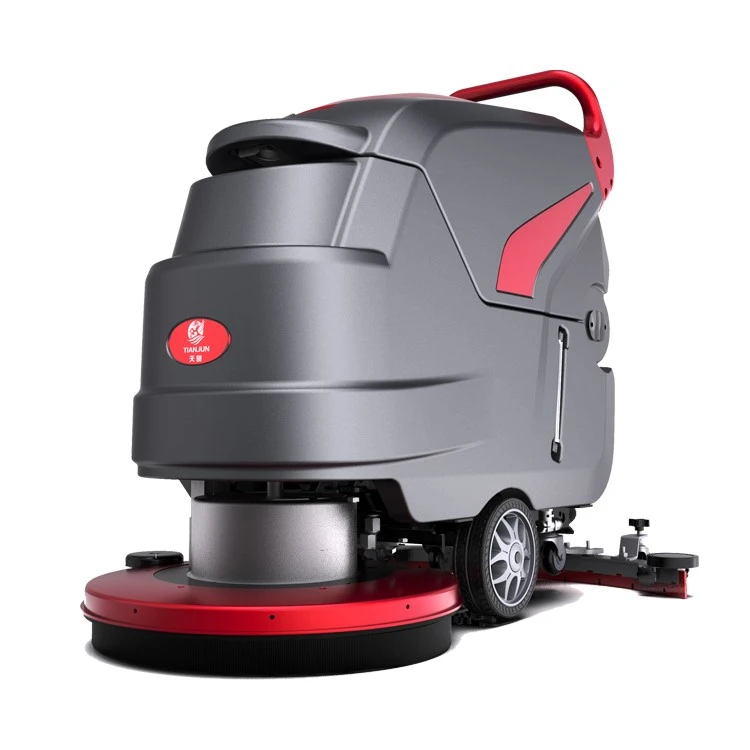
Water Collection and Channeling
Durable hoses connect the suction system to the floor, ensuring consistent water flow. The water-absorbing squeegee, a flat, low-profile component equipped with rubber or polyurethane blades, is positioned close to the floor surface. This squeegee collects residual water and channels it into the suction inlet. Its flexible design allows it to adapt to floor irregularities, while adjustable angle and pressure settings optimize water collection for maximum efficiency.
Separation and Storage in the Recovery Tank
Dirty water is drawn through a hose into a sealed recovery (sewage) tank. Inside the tank, baffles and controlled airflow separate water and sediment from the air stream, helping to prevent damage to the suction motor. A built-in filter captures impurities to protect the system from blockages. Many floor scrubber models are also equipped with a float valve that automatically shuts off the suction port when the tank reaches its maximum capacity, effectively preventing overflow and ensuring safe operation.
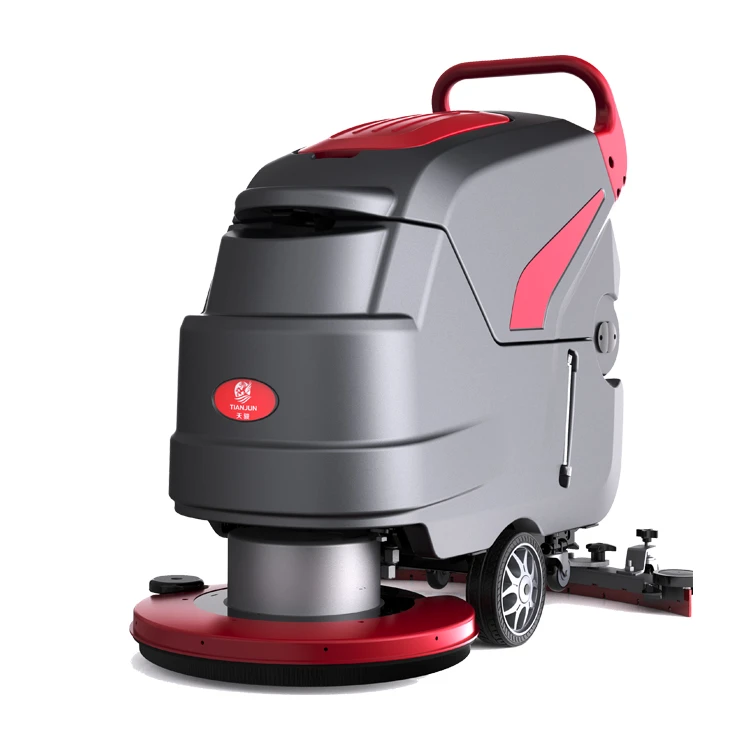
Sealing and Maintenance
Proper sealing with gaskets at connection points is essential to prevent air leakage and maintain strong suction. Regular maintenance is crucial for optimal performance: inspect and replace worn water-absorbing squeegees to avoid reduced water pickup efficiency. Additionally, check filters and hoses for blockages or damage, as a clogged filter or ruptured hose can significantly impair the system's suction capability.
Workflow in Action
During the cleaning process, the absorbent strip will be coated with water and solution. The nozzle follows closely behind, and the suction pipe collects dirty water. The motor and fan generate suction to suck the mixture into the sewage tank. Air separation, discharged through a motor. When full, the float valve will alert the operator. Repeat this cycle to ensure that the floor cleaning machine achieves thorough water removal.
In summary, the water absorption system integrates key components-motors, suction hoses, drainage pipes, squeegee blades, water tanks, and seals. Each element plays a vital role in generating suction, collecting water, separating air and debris, and maintaining an airtight seal to ensure optimal performance. Proper understanding and routine maintenance of these parts are essential for preserving the floor scrubber's efficiency and achieving effective, consistent floor cleaning results.


