

The Working Principle and Precautions of the Washing and Sweeping All-in-One Machine
As a fully functional and efficient cleaning device, the washing and sweeping all-in-one machine is widely used in restaurants, shopping malls, factories, and other locations. Its integrated design-combining sweeping, washing, and water absorption-greatly improves cleaning efficiency.
Understanding its working principle and mastering the precautions for use can further enhance the machine's performance and extend its service life.
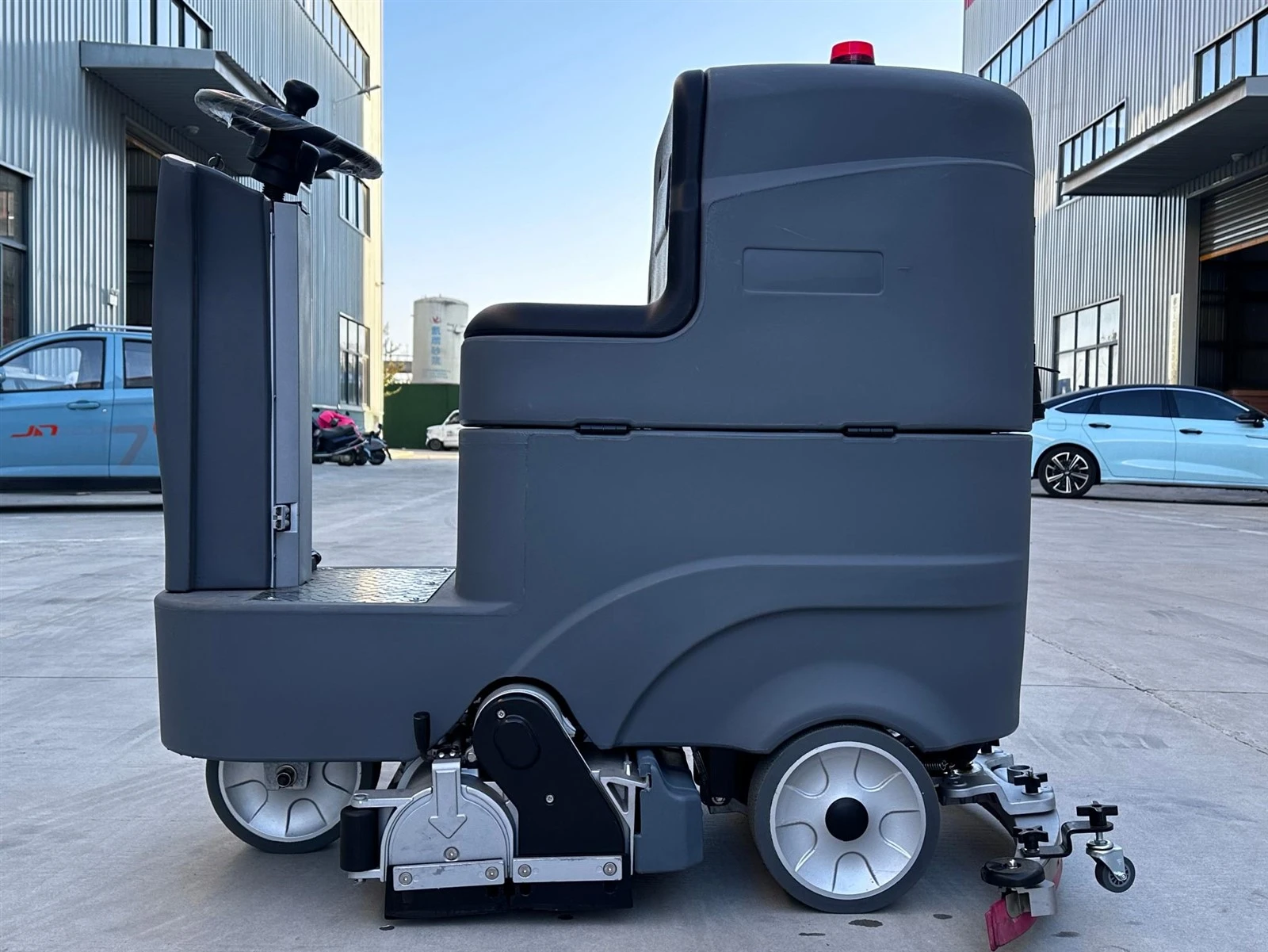
1. Working Principle: Collaborative Operation of Three Major Systems
The core function of the washing and sweeping all-in-one machine relies on the coordinated operation of the sweeping system, floor scrubbing system, and water absorption system. Taking portable models as an example:
Sweeping System:
The main brush, located centrally at the bottom of the machine, rotates at high speed (about 300 revolutions per minute) to collect dry debris (such as paper scraps, dust, and small stones) and guide it toward the center.
Side brushes on both sides are responsible for sweeping debris from corners into the main brush's working area, forming a "gather-and-collect" cleaning path to ensure complete coverage without missing any areas.
The dustbin of the washing and sweeping all-in-one machine is relatively small and stores only a limited amount of debris, so it should be emptied regularly.
Floor Scrubbing System:
A brush disc (or roller brush) positioned behind the main brush sprays water or detergent onto the ground and removes stubborn stains such as oil and footprints through friction.
To suit various cleaning scenarios, most models support adjusting the brush pressure (typically 25–35 kilograms) to accommodate different types of flooring.
The scrubbing mechanism includes either a disc brush or a roller brush, depending on the application and user needs.
Water Absorption System:
The key components of this system are the suction fan and the squeegee.
Located behind the brush plate, the squeegee removes wastewater and residual moisture through vacuum suction generated by the fan (usually –20 to –30 kPa).
The close fit of the suction rubber strip ensures that the floor dries quickly after cleaning-typically within 3 to 5 minutes.
These three systems work synchronously through the machine's internal linkage mechanism, completing the cleaning, scrubbing, and drying process in one continuous operation. This is also the main reason why its cleaning efficiency is more than three times higher than the traditional "sweeping + mopping" method.

2. Usage Precautions: Ensuring Safety and Efficiency
Preparation Before Operation
Check the Water Tanks:
Fill the clean water tank with tap water. If detergent is needed, dilute it appropriately to avoid damaging the equipment with acidic or alkaline solutions.
Ensure the sewage tank is emptied to prevent overflow.
When using detergent, add it to the clean water tank, and add defoamer to the sewage tank to prevent foam from damaging the suction fan during operation.
Adjust Equipment Parameters:
Adjust the height of the brush plate based on the floor type. For example, it can be lowered by 1–2 cm for hard floor tiles, while for wooden floors, the plate should be raised so that it only lightly touches the ground.
Adjust the squeegee and rubber strip to fit just snugly against the floor-too high will reduce suction performance, while too low will cause excessive wear.
Test Run:
Before formal operation, conduct a 30-second trial run in a corner to ensure the brush disc rotates and the water absorption works properly, and check for any unusual noise or water leakage.
Once the test run is successful, proceed with daily cleaning.
If any issues are found during testing, resolve them promptly before continuing.
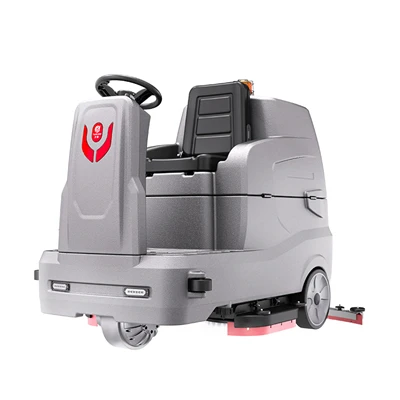
3.Standardized Operation
Walking Path:
Use a "Z" or "S"-shaped path to ensure complete coverage. The overlapping width should not exceed 10 centimeters to avoid missed spots.
When cleaning corners, ensure the side brushes reach the edges. Manual cleaning may be required if coverage is incomplete.
Handling Special Areas:
If there is a large amount of debris on the floor, perform manual pre-cleaning.
When cleaning carpets, raise the brush disc and use only the water absorption function.
Slow down near areas like power sockets or floor drains to avoid absorbing excess water or foreign objects.
Monitoring the Water Tanks:
Monitor the clean water tank using the level indicator and refill in time to prevent running dry.
The equipment may include an overflow warning system-stop operation and empty the sewage tank when the alert is triggered.
If there is no warning system, check the tank manually every 30 minutes to prevent backflow that could damage the motor.
4. Maintenance and Upkeep
Daily Cleaning
After completing the cleaning task:
Thoroughly rinse both the clean and sewage water tanks (use a neutral detergent to wipe the inner surfaces).
Remove the brush disc and squeegee and clean off tangled hair, ropes, or other debris to avoid bacterial growth and ensure optimal performance during the next use.
Regular Inspections
Weekly: Check the brush disc for wear. If the bristles are less than half their original length, replace the disc.
Monthly: Inspect the suction rubber strip for cracks. If lightly worn, flip it over for extended use. If heavily damaged, replace it.
Quarterly: Lubricate bearings, chains, and other moving parts to maintain smooth operation.
Battery Maintenance
Recharge the battery when its remaining capacity reaches 20%–30% to avoid over-discharge.
If not using the machine for an extended period, fully charge it before storage and recharge it once a month to maintain battery health.
5. Safety Guidelines
Operators must wear non-slip shoes and gloves to prevent accidents and avoid contact with wastewater.
During cleaning, place a "Caution: Wet Floor" sign to prevent slip-and-fall incidents.
Before operating the machine, users must undergo detailed training to understand its functions and ensure correct operation.
Keep children and unrelated personnel away during operation to avoid accidental injury from rotating parts.
When parking the machine, engage the handbrake and turn off the power switch.
If a malfunction occurs-such as unusual motor noise or a sudden drop in suction performance-stop the machine immediately for inspection.
Do not continue to operate it under faulty conditions. Contact professional maintenance personnel for repairs.
Non-professionals must not disassemble the machine's core components.
Charging Procedure:
When charging, connect the charger to the machine first, then plug the charger into the power outlet.
After charging is complete and the charger indicator shows a green light, unplug the power outlet first, then disconnect the charger from the machine.
Following these precautions not only ensures efficient operation of the washing and sweeping all-in-one machine but also extends its service life (typically 3–5 years) and reduces maintenance costs.
For commercial spaces such as small restaurants, standardized operation is the key to maximizing the value of cleaning equipment.


