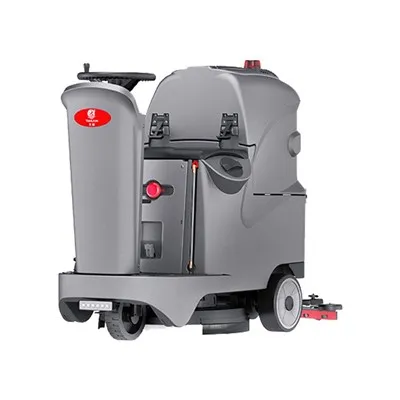
As a supplier of industrial vacuum cleaners, I often encounter questions from customers regarding the corrosion resistance of these machines. In this blog post, I will delve into the topic of whether industrial vacuum cleaners are resistant to corrosion, exploring the materials used, common causes of corrosion, and how to ensure the longevity of your equipment.
Materials Used in Industrial Vacuum Cleaners
The corrosion resistance of an industrial vacuum cleaner largely depends on the materials used in its construction. Most high - quality industrial vacuum cleaners are made from materials that are designed to withstand harsh environments.
Stainless steel is a popular choice for the construction of industrial vacuum cleaners. It is known for its excellent corrosion resistance, especially in environments where exposure to moisture, chemicals, or abrasive substances is common. Stainless steel contains chromium, which forms a passive oxide layer on the surface of the metal. This layer acts as a barrier, preventing oxygen and moisture from reaching the underlying metal and causing corrosion.
Plastic is another material commonly used in industrial vacuum cleaners. High - density polyethylene (HDPE) and polypropylene are often used for the construction of the vacuum cleaner's body and components. These plastics are resistant to many chemicals and can withstand a wide range of temperatures. They are also lightweight, which makes the vacuum cleaner easier to move around.
Common Causes of Corrosion in Industrial Vacuum Cleaners
Despite the use of corrosion - resistant materials, industrial vacuum cleaners can still be susceptible to corrosion under certain conditions.
- Exposure to Moisture: Water is one of the main causes of corrosion. If an industrial vacuum cleaner is used in a wet environment or comes into contact with water during operation, the metal components can start to rust. For example, in a food processing plant where there is frequent cleaning with water, the vacuum cleaner may be exposed to moisture for extended periods.
- Chemical Exposure: Industrial vacuum cleaners are often used in environments where they come into contact with various chemicals. Some chemicals can react with the materials of the vacuum cleaner, causing corrosion. For instance, in a chemical manufacturing facility, the vacuum cleaner may be used to clean up spills of acids or alkalis, which can corrode the metal and plastic components.
- Abrasion: Abrasive materials such as dust, sand, or metal shavings can cause wear and tear on the surface of the vacuum cleaner. This can remove the protective layer on the metal or plastic, making it more susceptible to corrosion. In a construction site, for example, the vacuum cleaner may be used to clean up concrete dust, which can be highly abrasive.
How to Ensure Corrosion Resistance
To ensure the corrosion resistance of your industrial vacuum cleaner, there are several steps you can take.
- Choose the Right Material: When purchasing an industrial vacuum cleaner, consider the environment in which it will be used. If the environment is wet or chemical - laden, choose a vacuum cleaner made from stainless steel or corrosion - resistant plastic. For example, our Warehouse Industrial Vacuum Cleaner is made from high - quality stainless steel, which provides excellent corrosion resistance in warehouse environments.
- Regular Maintenance: Regular maintenance is crucial for preventing corrosion. Clean the vacuum cleaner regularly to remove any dirt, dust, or chemical residues. Check the vacuum cleaner for any signs of wear and tear, and replace any damaged components promptly. For example, if the filter of the vacuum cleaner is clogged with dirt and moisture, it can cause corrosion inside the machine.
- Proper Storage: When not in use, store the industrial vacuum cleaner in a dry and clean environment. Avoid storing it in areas where it may be exposed to moisture or chemicals. If possible, cover the vacuum cleaner with a protective cover to prevent dust and debris from accumulating on it.
Case Studies
Let's take a look at some real - world examples of how industrial vacuum cleaners can be affected by corrosion and how to address the issue.


In a car manufacturing plant, an industrial vacuum cleaner was used to clean up metal shavings and oil spills. Over time, the metal components of the vacuum cleaner started to corrode due to the exposure to oil and moisture. The plant management decided to replace the old vacuum cleaner with a 3600W Construction Industrial Vacuum Cleaner, which is made from stainless steel and has a high - performance filtration system. After the replacement, the new vacuum cleaner showed no signs of corrosion, even after months of use in the harsh environment.
In a hotel, a commercial portable carpet cleaner was used to clean the carpets. The cleaner was often exposed to water and cleaning chemicals, which caused the plastic components to become brittle and start to corrode. The hotel management contacted us, and we recommended our Commercial Portable Carpet Cleaner, which is made from corrosion - resistant plastic. The new cleaner has been working well, and there have been no issues with corrosion.
Conclusion
In conclusion, industrial vacuum cleaners can be resistant to corrosion if they are made from the right materials and properly maintained. Stainless steel and high - quality plastics are excellent choices for ensuring corrosion resistance. However, it is important to be aware of the common causes of corrosion, such as exposure to moisture, chemicals, and abrasion, and take appropriate measures to prevent it.
If you are in the market for an industrial vacuum cleaner and want to ensure its corrosion resistance, we are here to help. Our team of experts can provide you with the best advice on choosing the right vacuum cleaner for your specific needs. Contact us today to start a procurement discussion and find the perfect industrial vacuum cleaner for your business.
References
- "Corrosion Resistance of Metals and Alloys" - ASM International
- "Plastics in Industrial Applications" - Society of Plastics Engineers