

8 Core Maintenance Methods to Extend the Lifespan of Industrial Floor Scrubbers: A Comprehensive Guide from Daily to Long-Term Use
As high-frequency cleaning equipment, the service life of industrial floor scrubbers depends not only on product quality but also on proper maintenance over time. Many customers neglect maintenance, leading to premature motor failures, battery degradation, reduced cleaning efficiency, and other problems. These issues not only increase replacement costs but also disrupt factory cleaning schedules.
Based on extensive service experience, CleanHorse has summarized core methods covering daily care to long-term maintenance, helping customers maximize equipment lifespan and reduce full-cycle operating costs.

1. Daily Maintenance: Spend 10 Minutes a Day to Prevent Small Problems from Becoming Major Malfunctions
Daily maintenance forms the foundation for extending lifespan. Simple routines can prevent up to 80% of common faults. The key is to focus on three steps: cleaning, inspection, and standardized charging.
(1) Cleaning: Focus on Easily Contaminated Parts
After each use of the floor scrubber, three key areas must be thoroughly cleaned:
Water tank and pipelines: Drain the clean and wastewater tanks, rinse the inner walls with clean water, and-if oil stains are present-add a small amount of neutral detergent. This prevents cleaning-agent or sewage residues from breeding bacteria and corroding the tanks. Remove sediment from the bottom of the wastewater tank using a long-handled soft brush to prevent suction pipe blockages. Wipe the rubber squeegee to remove hair and debris, and prevent deformation that affects water absorption.
Brush plate and suction squeegee: Remove the brush plate and clear ropes, plastic bags, or other debris wrapped around the bristles. If the brush is oily, soak it in hot water for 10 minutes, scrub, air-dry, and reinstall.
Body and control panel: Wipe the outer shell with a dry cloth to remove surface dust and water stains, preventing rust caused by moisture. Clean the control panel's buttons and display gently with a soft cloth-never directly with a damp cloth-to avoid short circuits.
(2) Inspection: Focus on Easily Worn Components
After cleaning, spend about five minutes checking vulnerable parts and identifying potential issues early:
Brush bristles: If bristle length is less than 1 cm or there is visible shedding, replace the brush promptly. Worn brushes reduce cleaning efficiency and may scratch flooring such as epoxy surfaces.
Water-absorption squeegee: Replace the squeegee if cracks, warping, or worn edges appear, as this causes incomplete drying and residual streaks on the floor.
Motor and battery: Start the machine and listen for abnormal sounds. A steady humming noise indicates normal operation; harsh or grinding noises may suggest bearing wear.
(3) Charging: Follow Specifications for Each Battery Type
Battery performance directly affects equipment lifespan. Charge properly according to battery type:
Lithium batteries: Avoid deep discharge (below 10%) to slow degradation. Charge promptly after use and disconnect within one hour after full charge (when the indicator light turns green). Do not store at full charge for extended periods. Keep the battery compartment ventilated and away from high temperatures or direct sunlight.
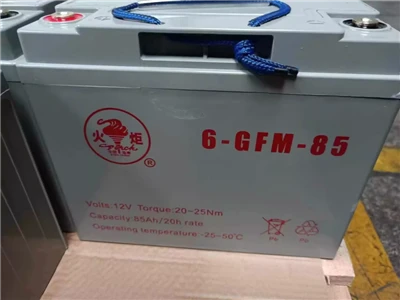
Lead-acid batteries: Limit charging time to 8–10 hours and disconnect power after full charge to prevent plate sulfation. If unused for long periods, recharge monthly to avoid battery damage from power loss.
Charging sequence: When charging, first connect the machine's charging port, then plug in the power supply. After charging, unplug the power supply first, then the machine port.
2. Regular Maintenance: Protect the Machine by Schedule to Extend Core Component Lifespan
Beyond daily care, develop weekly, monthly, and quarterly maintenance plans to maintain key components and prevent performance decline due to long-term use.
(1) Weekly Maintenance: Focus on Rotating and Connecting Parts
Spend about 30 minutes each week conducting in-depth inspections, emphasizing rotating and connecting components:
Tighten screws and connections: Check if screws on the body (such as brush-tray brackets and motor mounts) are loose, and gently tighten them to avoid slipping threads. Open the battery compartment to check for oxidation on wiring terminals-polish lightly with sandpaper if needed-and ensure all connections are firm to prevent poor contact and power loss.
(2) Monthly Maintenance: Focus on Core Functional Components
Conduct a comprehensive inspection each month for components affecting cleaning performance:
Motor and suction system: Check motor speed by comparing cleaning performance with new equipment. A reduction of more than 15% may indicate motor aging. Inspect suction pipes for blockages by pouring a small amount of clean water through them; if water flow is obstructed, clear with a pipe cleaner.
Control system: Test all control panel buttons (start, speed adjustment, cleaning mode switch) for responsiveness, and check the display screen for garbled text or blackouts. For ride-on scrubbers, inspect the seat belt and brake systems to ensure safety.
(3) Quarterly Maintenance: Arrange Professional Inspections
Every three months, contact your supplier's after-sales service for a professional inspection. This step is vital for prolonging equipment life:
Test the motor's insulation to prevent electric leakage risks.
Check the suction system's sealing. If incomplete water absorption occurs, replace aged sealing rings.
Test any customized functional components to ensure proper operation.
3. Long-Term Idle Maintenance
If the equipment will be unused for more than a month (for example, during factory shutdowns), apply "idle protection":
Thoroughly clean the machine, drain and air-dry the tanks, remove the brush and squeegee assemblies, and store them in a dry, ventilated area.
For lithium batteries, store at 50–60% charge and recharge monthly. Lead-acid batteries should be fully charged and recharged every two weeks.
Cover the equipment with a dust cover and store it in a dry area away from acids, alkalis, and oil stains. Avoid direct sunlight and damp floors.

Conclusion: Proper Maintenance Can Extend Equipment Lifespan by Over 50%
The service life of an industrial floor scrubber is not fixed-it depends largely on the user's maintenance habits. Just 10 minutes of daily cleaning, 30 minutes of weekly inspection, and monthly core maintenance can extend lifespan by more than 50%, significantly reducing replacement costs.
For customers, maintaining a floor scrubber is not only about protecting the equipment but also about ensuring production efficiency. For suppliers, providing clear maintenance guidance is part of their service commitment. Only when customers know how to use and maintain industrial floor scrubbers correctly can they fully realize their long-term value and make these machines true partners in efficient factory cleaning.


