

Functions of Waste Water Tank and Clean Water Tank in Riding Floor Scrubber
In a ride-on floor scrubber, the clean water tank and wastewater tank work together to deliver efficient cleaning results. Each tank serves a distinct function that contributes to the machine's overall performance. This article explains their roles in detail and provides guidance to help operators use the equipment effectively and maintain it properly.
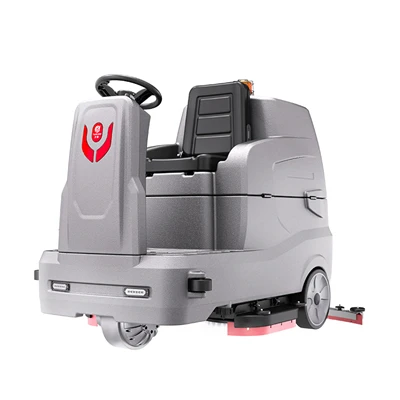
The clean water tank stores fresh water and can be mixed with an appropriate amount of cleaning agent to serve as the solution source for removing dirt and grime from floors. Typically made of durable plastic with a sealed design, the tank prevents leaks during operation. A built-in pump system delivers the solution through pipelines to the scrubbing brush or pad, with adjustable flow rates to suit different floor types-higher flow for heavily soiled areas and lower flow for delicate surfaces. Some models also feature filters at the inlet of both the clean and wastewater tanks, preventing debris from entering the pipes and avoiding blockages that could disrupt cleaning. In industrial-grade machines, clean water tank capacities range from 50 to 200 liters, determining how long the scrubber can operate continuously. Larger tanks reduce the need for frequent refills, making them ideal for cleaning expansive areas such as warehouses and factories.
The wastewater tank collects the dirty mixture of water, detergent, and debris after cleaning. It works in tandem with the suction system, which draws the contaminated liquid from the floor into the tank through the squeegee and hose. Like the clean water tank, it is sealed to contain odors and prevent spills, and it typically features a water level gauge that allows operators to monitor capacity. A key component is the float valve: as the tank nears full capacity, the valve automatically closes the suction port to prevent overflow and protect the machine's internal components from water damage. The wastewater tank is also designed for easy maintenance, often equipped with quick-release drainage pipes or hoses for effortless emptying. Many models include detachable filters or screens to capture large debris, ensuring cleaner disposal and reducing the risk of drainage system blockages.

These two water tanks are essential for maintaining the cleaning efficiency and hygiene of the floor scrubber. The clean water tank ensures a continuous supply of clean water to prevent re contamination of the already cleaned area, while the waste water tank separates dirty liquids to prevent the spread of dirt. Their design usually includes ergonomic features: the clean water tank may have a wide filling port for easy refilling, and the waste water tank has a drainage port for easy emptying. Regular maintenance is crucial - rinsing the water tank clean after use can prevent detergent residue, cleaning the waste water tank can remove residual debris, prevent odors, and extend the service life of the water tank.
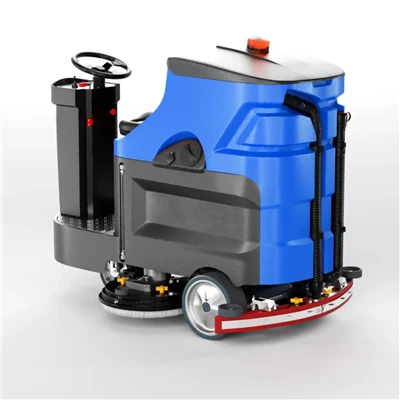
The size of each water tank is carefully balanced to suit the washer's intended application. For large commercial spaces, a larger clean water tank (over 100 liters) enables extended cleaning sessions without frequent refilling, while compact models designed for smaller areas feature smaller tanks to improve maneuverability. Additionally, some advanced floor scrubbers include sensors that alert operators when the clean water tank is running low or the wastewater tank is nearing full capacity. This smart monitoring optimizes workflow and minimizes downtime. By working in harmony, these two tanks ensure the scrubber delivers thorough, efficient cleaning-leaving floors spotless and dry.


