

Winter Battery-Powered Floor Scrubber: A Comprehensive Guide to Maintenance and Precautions for Use
As winter temperatures drop, battery-powered floor scrubbers often experience issues such as reduced battery life, difficulty starting, and sluggish steering. Low temperatures can accelerate battery capacity degradation and may also cause lubrication failure in mechanical components or icing in pipelines. Many users neglect winter maintenance, which not only reduces cleaning efficiency but also shortens the machine's lifespan.
In fact, as long as targeted maintenance measures and correct usage standards are followed, the floor scrubber can continue operating stably throughout winter. This article explains the key maintenance measures and precautions for using floor scrubbers in cold weather.

1. Core Maintenance: Keeping Batteries Warm and Maintaining Performance
The battery is the core component of a floor scrubber. In winter, especially when temperatures fall below 5 °C, the chemical reactions inside the battery slow down, reducing charging efficiency and discharge capacity (by as much as 30–50% compared to room temperature). Therefore, maintaining the battery is the top priority during winter.
(1) Battery Storage
Control storage temperature:
In cold winter conditions, avoid storing the floor scrubber outdoors or in an unheated garage. It is best to store the machine indoors, in an environment between 10 °C and 25 °C (such as a cleaning tool room). If space is limited, wrap the outside of the battery compartment with insulating material to reduce the impact of low temperatures.
Keep the battery fully charged:
Before long winter holidays, fully charge the battery and recharge it every 7–10 days to prevent deep discharge. At low temperatures, batteries self-discharge faster. If capacity drops below 20%, sulfation may occur, which can cause permanent damage and significantly shorten battery life.
Regularly check battery condition:
Open the battery compartment weekly to inspect for icing or oxidation on terminals (which easily occurs in low-temperature and high-humidity environments). If ice is found on the wiring, move the machine to a warm area to thaw and then check for loose connections to avoid poor electrical contact caused by ice.
(2) Charging: Avoid the Low-Temperature "Restricted Zone"
Preheat before charging:
Charging the machine immediately after outdoor operation (when the battery temperature is below 5 °C) can cause excessive current and damage the battery. The correct method is to move the scrubber indoors, allow it to sit for 1–2 hours until the battery temperature rises above 10 °C, and then start charging.
Use the original charger:
In winter, charging time may increase by 2–3 hours compared to normal conditions. Do not use non-original fast chargers to shorten the process-rapid charging can cause a sharp temperature rise inside the battery, creating a temperature difference with the cold environment and increasing the risk of battery swelling.
Monitor the charging process:
Pay attention to the charger's indicator lights during charging. If there is a "charging interruption" or "abnormal flashing," it may be due to low battery temperature or charger malfunction. Disconnect the power supply and check the battery temperature. If the temperature is normal but charging still fails, contact after-sales service to inspect the charger and avoid potential safety risks.
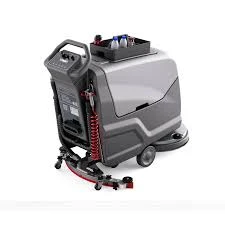
2. Mechanical Maintenance: Coping with "Component Stiffness" in Low Temperatures
Cold weather can cause the rubber parts of the floor scrubber to harden and lubricating grease to solidify, resulting in slow brush rotation and poor suction. It is essential to perform targeted maintenance on mechanical components to prevent minor issues from turning into major failures.
(1) Maintenance of Key Components: Suction Fan and Brush Motor
The suction fan and brush motor are the most critical functional components of industrial floor scrubbers. During idle periods in winter, conduct regular tests to ensure they operate normally. After each use, wipe any remaining moisture from the suction fan and brush motor before storage.
(2) Water System Maintenance: Prevent Icing and Blockages
Drain clean and wastewater tanks after use:
In winter, residual water may freeze overnight, causing tanks or pipes to swell and crack. After each operation, open the drain valve to empty the clean water tank, pour out wastewater, and rinse the sewage tank with clean water to prevent blockage. Finally, open the drain valve again and invert the tank to ensure complete drainage.
Check the squeegee and sealing rings:
Low temperatures can harden the rubber sealing rings of the squeegee, reducing sealing performance and water absorption. Before each operation, check by touch-if the rubber feels stiff or cracked, replace it immediately.
3. Usage Tips: A Practical "Pit-Avoidance" Guide for Winter Operations
In addition to maintenance, correct operation procedures during winter can reduce malfunctions and extend the machine's lifespan. Users should pay attention to the following key points to avoid unnecessary damage.
(1) Before Operation: Allow for Warm-Up
Run a no-load test:
After starting the machine in cold weather, do not use it immediately. Let it run idle for 5–10 minutes so that the battery and motor gradually warm up. During this time, check whether the brush and drive wheels rotate normally and whether the steering is smooth. If there are issues such as brush failure or steering lag, stop the machine for inspection to prevent motor overload.
Adjust operating parameters:
The ground surface can become slippery at low temperatures, so reduce the driving speed (use a low gear) to avoid slipping. If brush pressure is adjustable, reduce it by 10–20% to lower friction and prevent motor damage from excessive load.
(2) During Operation: Watch for Warning Signs
Monitor battery level:
Battery life is shorter in winter. While working, pay attention to the battery level on the control panel. If it falls below 30%, stop working and return indoors to recharge. Avoid forcing operation at low power to prevent sudden shutdowns outdoors, which can complicate handling.
Avoid prolonged idling:
During pauses (such as while dumping wastewater or cleaning the brush disc), if the machine will be idle for more than 10 minutes, turn off the power.
(3) After Operation: Perform Thorough Cleaning
Clean the machine completely:
Rinse the brush disc, suction nozzle, and remove sediment or debris to prevent freezing. Wipe the machine body with a dry towel-especially around the battery compartment door and control panel-to prevent moisture from freezing and damaging components.
Inspect wear parts:
After each use, check the brush bristles and suction rubber strip. If the bristles are worn to less than half their original length, or if the rubber strip is cracked, replace them promptly. In winter, the ground's lower friction increases load on worn parts, reducing cleaning efficiency and accelerating wear.

Summary
Winter maintenance of battery-powered floor scrubbers focuses on keeping warm, maintaining lubrication, and preventing icing. With proper battery protection, regular maintenance of key components, and standardized operation, users can effectively minimize winter malfunctions and maintain efficient performance.
Cold temperatures in winter are a significant test for battery-powered scrubbers. As professional cleaning equipment suppliers, we should proactively inform customers of these precautions to help them prepare in advance and extend the lifespan of their machines.


